
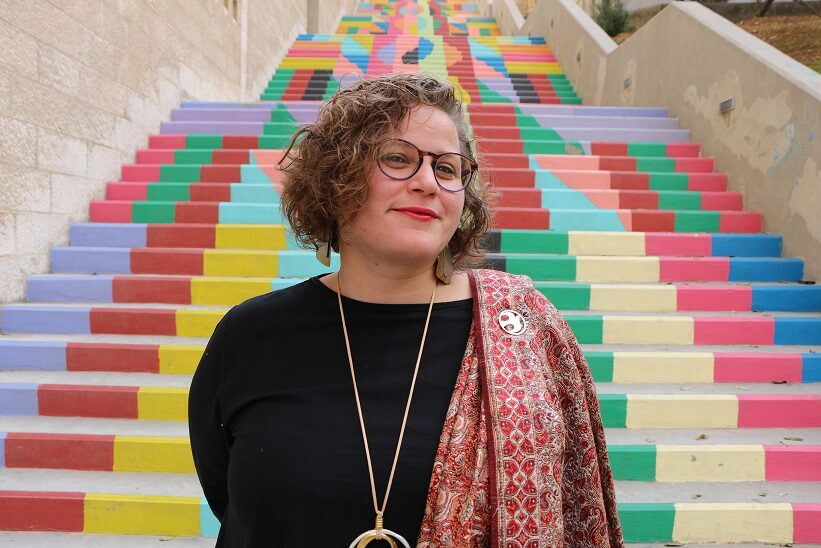
سالي شلبي
فنانة أدائية وحكواتية، يتقاطع عملها عند الجسد والصوت والذاكرة الموروثة. تمتلك خبرة تمتد لأكثر من عقدين، استطاعت خلالها أن تبني لنفسها مساحة خاصة في مشهد فنون الأداء العربي المعاصر، مساحة تجسر بين فن الحكي وأشكال السرد التجريبية والبحث الجسدي.
منذ عام 2005، تعمل سالي مع التقاليد الشفهية في بلاد الشام، حيث تحوّل الحكايات الشعبية، والملاحم، والشهادات الشخصية إلى عروض أدائية حيّة تتفاعل مع الماضي الجمعي واللحظة الراهنة في آن واحد. تبدأ عمليتها الفنية ببحث عميق في التاريخ واللغة والذاكرة والصوت، لتتبلور في عروض متجذّرة وفي الوقت نفسه نابضة بالحياة. بالنسبة لسالي، ليست القصة مجرد ما يُروى، بل تجربة تُحسّ، وتُجسَّد، ويُعاد امتلاكها.
يشمل رصيد سالي الفني الحكايات الشعبية العربية، والأساطير العالمية، والسرديات الشخصية، وإعادة قراءة معاصرة للملحمة الشفهية. عملها الطويل على إعادة صياغة “سيرة الظاهر بيبرص”، السيرة البطولية الذكورية في سياق معاصر، يضعها في طليعة من يمارس سرد السير الشعبية، لا سيما أنها أول امرأة ترويها في الحيز العام. فمنذ عام 2017، تعيد العمل على هذه السردية التاريخية من منظور نقدي نسوي، مُحيية إياها لجمهور اليوم مع الحفاظ على ثقلها الثقافي.
من بين أعمالها البارزة خير يا طير، عرض أدائي يروي قصة النكبة الفلسطينية من خلال الشهادات الشفهية والذاكرة الموروثة. عُرضَ هذا العمل في عمّان، ونابلس، والبحرين، ورام الله. كما تقف سالي خلف الصوت والفكرة لعدد من سلاسل الحكي الصوتي، من بينها شلبيّات (2015–2019)، وحكاية الكلام (2020)، ورحلة إلى الجنون (2021)، وزغاريد (2022)، وهو مشروع بحثي فني بدعم من الصندوق العربي للثقافة والفنون (آفاق)، يستكشف قوة الزغرودة وسياقاتها السياسية والاجتماعية، وأخر أعمالها الصوتية مسلسل الصدفة (2024).
أحدث أعمالها، التي أُنتجت خلال عامي 2024 و2025، هو سلسلة أدائية من خمسة أجزاء بعنوان “وأنا شفت…” الذي يستخدم التاريخ الشفهي لسرد حكايات فلسطينية معاصرة. تمزج السلسلة بين التاريخ، والسرديات الشخصية، والموسيقى لتروي تفاصيل حياة الفلسطينيين تحت الاحتلال.
تركّز ممارستها الحالية على الخيال بوصفه ممارسة جماعية، جسدية، وإبداعية. تعمل عبر الحكي، والخيال التأملي، وورش العمل التشاركية لتتعامل مع الخيال ليس فقط كأداة سردية، بل كممارسة حيّة تُدرَّب وتُشارك وتتشكل باستمرار لتصبح أداة تحرّر. تنجذب بشكل خاص إلى الخيال العلمي ومساحات الدهشة بوصفهما مجالين للتجريب، وإلى الذكاء الاصطناعي كفاعل سردي يربك مفاهيم التأليف، والتعاون، وبناء العوالم. من خلال هذا العمل، تتناول كيف تتراكم التصورات المستقبلية المتخيلة، وكيف تُورَّث وتُعاد صياغتها، وكيف يمكن للخيال نفسه أن يعمل كممارسة للتفكير، وصناعة المعنى، والوجود المشترك، ونحن متجذّرون في السياق.
إلى جانب أعمالها الأدائية الحيّة، تعمل سالي كاتبةً ومترجمةً وباحثةً ثقافية ومحررة نصوص. قامت بترجمة مجلدات من الحكايات الشعبية السورية، وطوّرت برامج حكي موجّهة لليافعين، وتواصل بناء منصات مفتوحة تساهم في حفظ وإعادة ابتكار التقاليد الشفهية العربية عبر قنواتها الرقمية.
يحظى عمل سالي شلبي بدعم مؤسسات مثل مؤسسة عبد الحميد شومان والصندوق العربي للثقافة والفنون (آفاق). تدعو عروضها الجمهور إلى الإصغاء ليس بآذانهم فقط، بل بتاريخهم، وأجسادهم، وخيالهم أيضًا..
سالي شلبي
Sally Shalabi is a performance artist whose work exists at the intersection of body, voice, and inherited memory. With over two decades of experience, she has carved a unique space for herself in the contemporary Arab performance landscape—one that bridges traditional oral storytelling with experimental narrative forms and embodied research.
Working with the oral traditions of the Levant since 2005, Sally transforms folktales, epics, and personal testimonies into live performances that engage both the collective past and the present moment. Her artistic process begins with deep research—into history, language, memory, and voice—culminating in performances that are both grounded and radically alive. For Sally, the story is not just something to be told, but something to be sensed, embodied, and reclaimed.
Sally’s repertoire includes classic Arab folktales, global myths, personal narratives, and contemporary reinterpretations of the oral epic. Her long-standing work on Sirat Al-Dhahir Baybars positions her as the first woman to publicly reclaim and perform this male-dominated bio-epic in a contemporary context. Since 2017, she has been reworking this historic narrative with a critical, feminist lens—reviving it for modern audiences while honoring its cultural weight.
Among her notable works is Khair Ya Tayer—a deeply moving performance that tells the story of the Palestinian Nakba through oral testimonies and inherited memory. This work has toured in Amman, Nablus, Bahrain, and Ramallah. She is also the voice and creator behind several audio storytelling series including Shalabiyat (2015–2019), Hiyaket Al-Kalam (2020), Journey into Madness (2021), and Zaghareed (2022), an artistic research project supported by AFAC that explores the power and politics of the Zaghrouta (ululation).
Her latest work produced in 2024 and 2025 is a five part performance series called “And I Saw…” That uses oral history to tell contemporary Palestinian narratives. The series merges history, personal narratives and music to tell the lives of Palestinians under occupation.
Currently, her practice centers on imagination as a collective, embodied, and creative method. Working across storytelling, speculative fiction, participatory workshops, masterclasses and emerging technologies, she explores imagination not only as a narrative tool but as an active practice—one that is rehearsed, shared, and continuously shaped to become a tool of liberation. She is particularly drawn to science fiction and wonder as spaces for experimentation, and to AI as a narrative agent that complicates authorship, collaboration, and world-building. Through this work, she examines how imagined futures are accumulated, inherited, and reconfigured, and how imagination itself can function as a practice of thinking, making, and being together, while remaining rooted.
In addition to her live work, Sally is a writer, translator, and cultural researcher. She has translated volumes of Syrian folktales, developed youth-focused storytelling programs, and continues to build accessible platforms for the preservation and reinvention of Arab oral traditions through her digital channels.
Sally Shalabi’s work is supported by institutions such as the Abdul Hameed Shoman Foundation and the Arab Fund for Arts and Culture (AFAC). Her performances invite audiences to listen not only with their ears, but with their histories, their bodies, and their imagination.